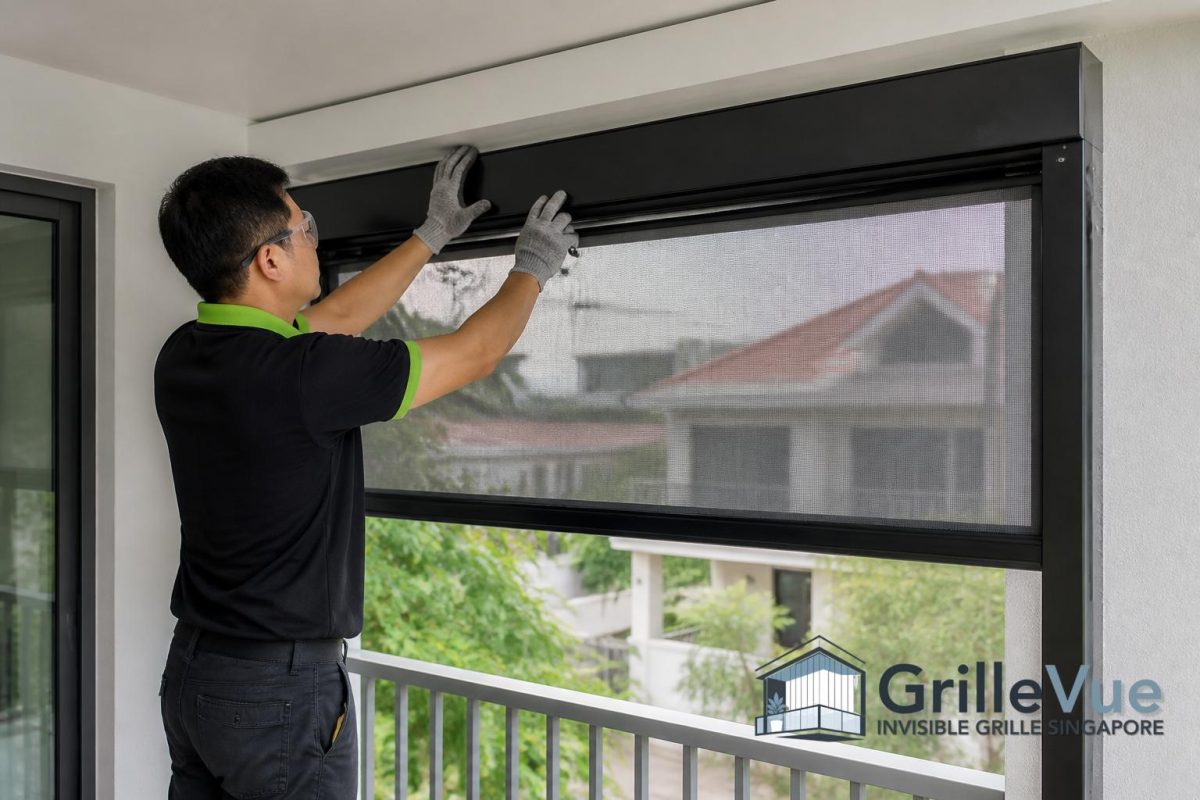
Zip Track blinds can be mounted on many Singapore balconies, but the best mounting positions depend on the balcony’s structure, access, and what you want the blinds to do. In most cases, the system is fixed to the top and sides of the opening, creating guided tracks for the fabric to run within, rather than hanging loose like a curtain. For HDB flats, condominiums and landed homes, the practical question is usually whether the headbox, side tracks and bottom bar can be fitted neatly to the balcony opening without obstructing doors, drainage points or existing fixtures.
What a Zip Track Blind Actually Mounts To
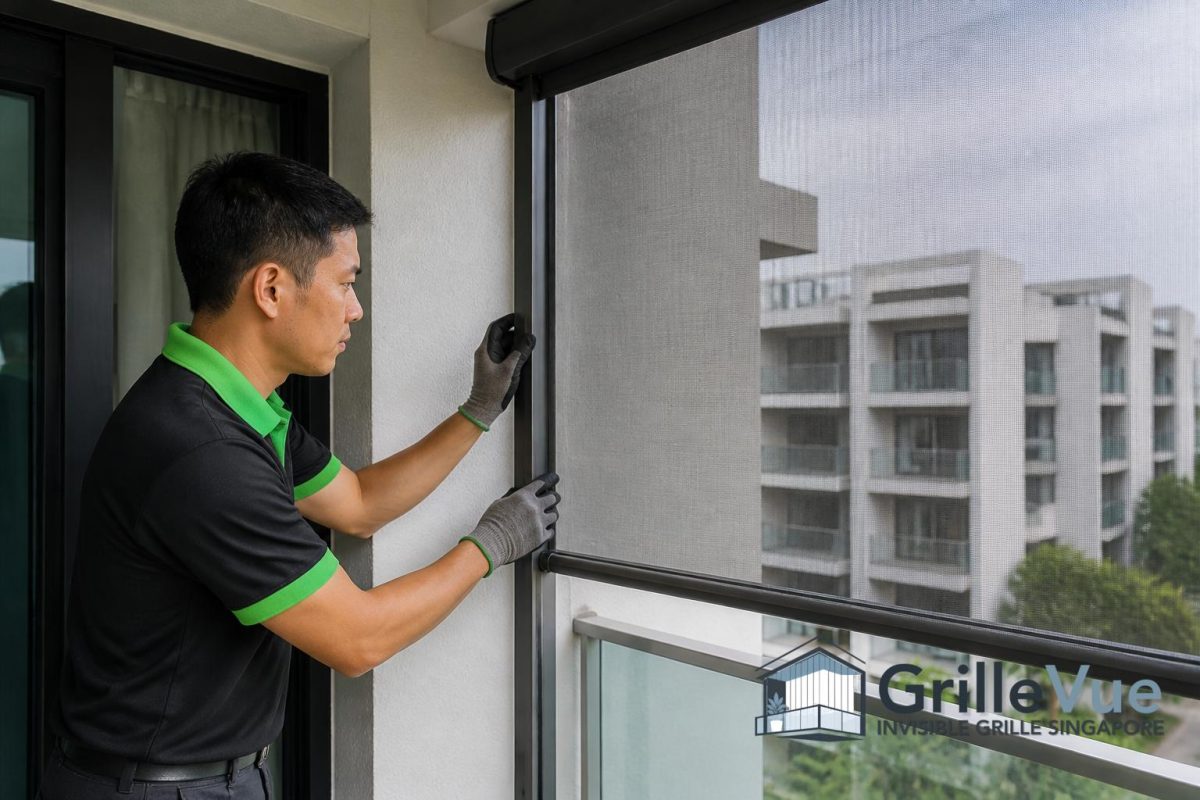
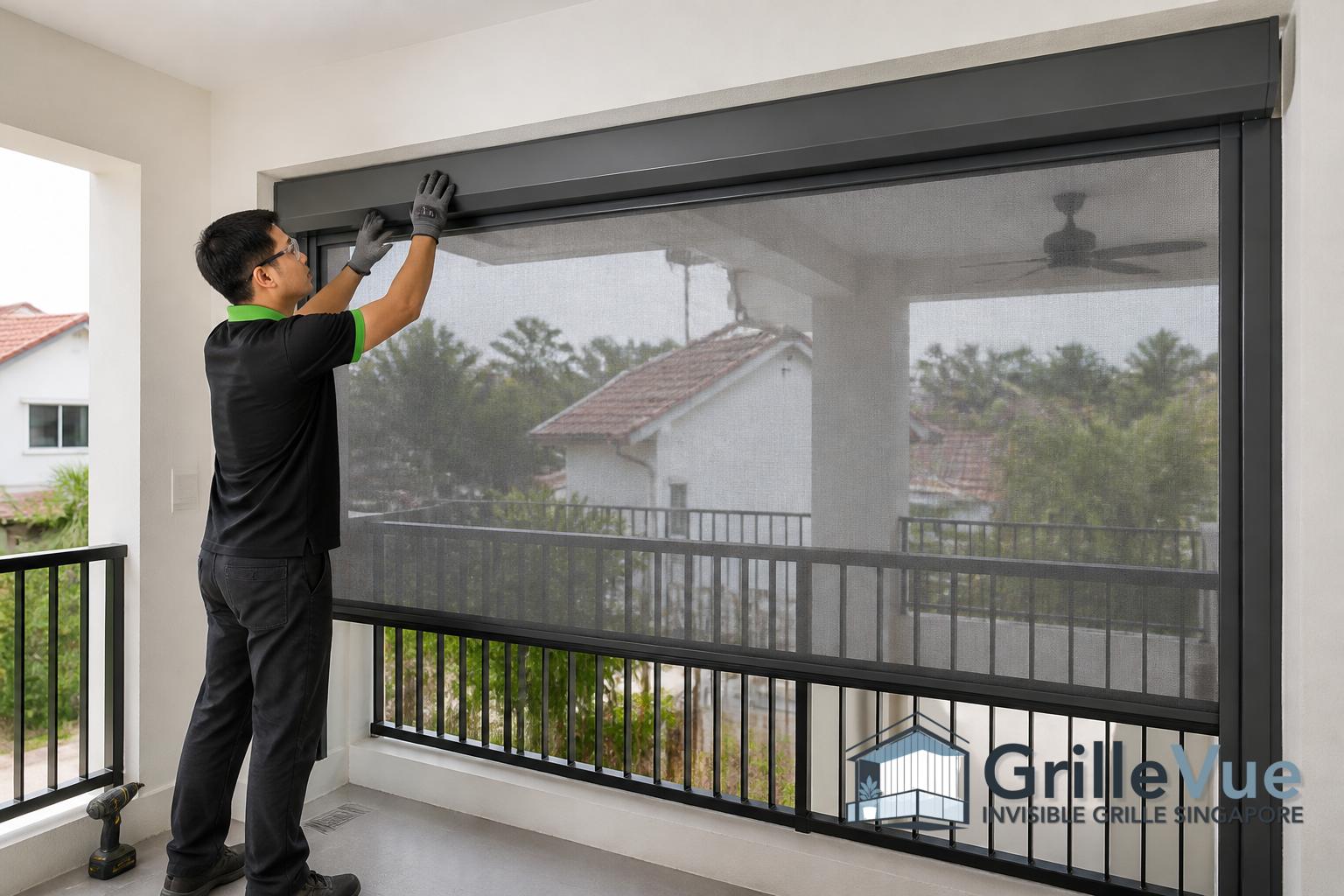
A Zip Track blind is an outdoor screen blind system made up of a headbox, side channels, fabric and a bottom bar. The fabric is guided by the side tracks, which helps keep the blind aligned as it opens and closes. On a balcony, installation is usually planned around the opening itself, so the blind can cover the exposed frontage while still allowing the balcony to remain usable.
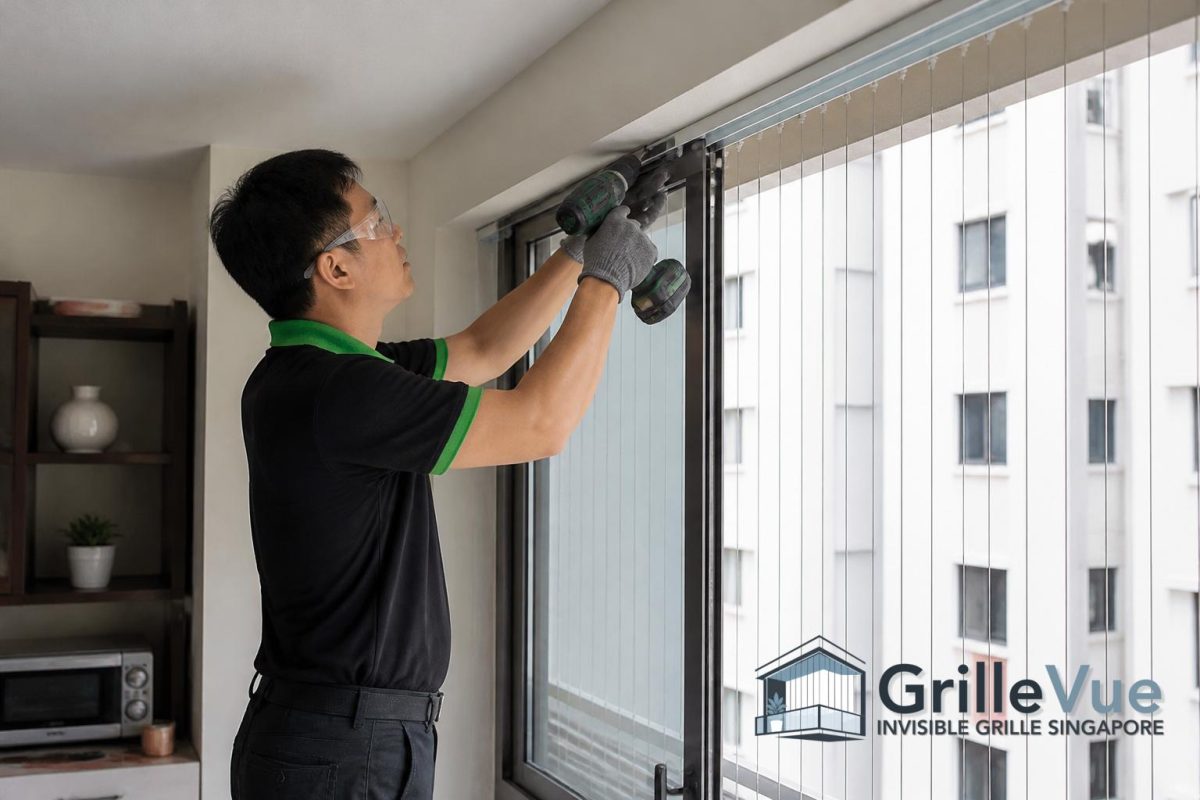
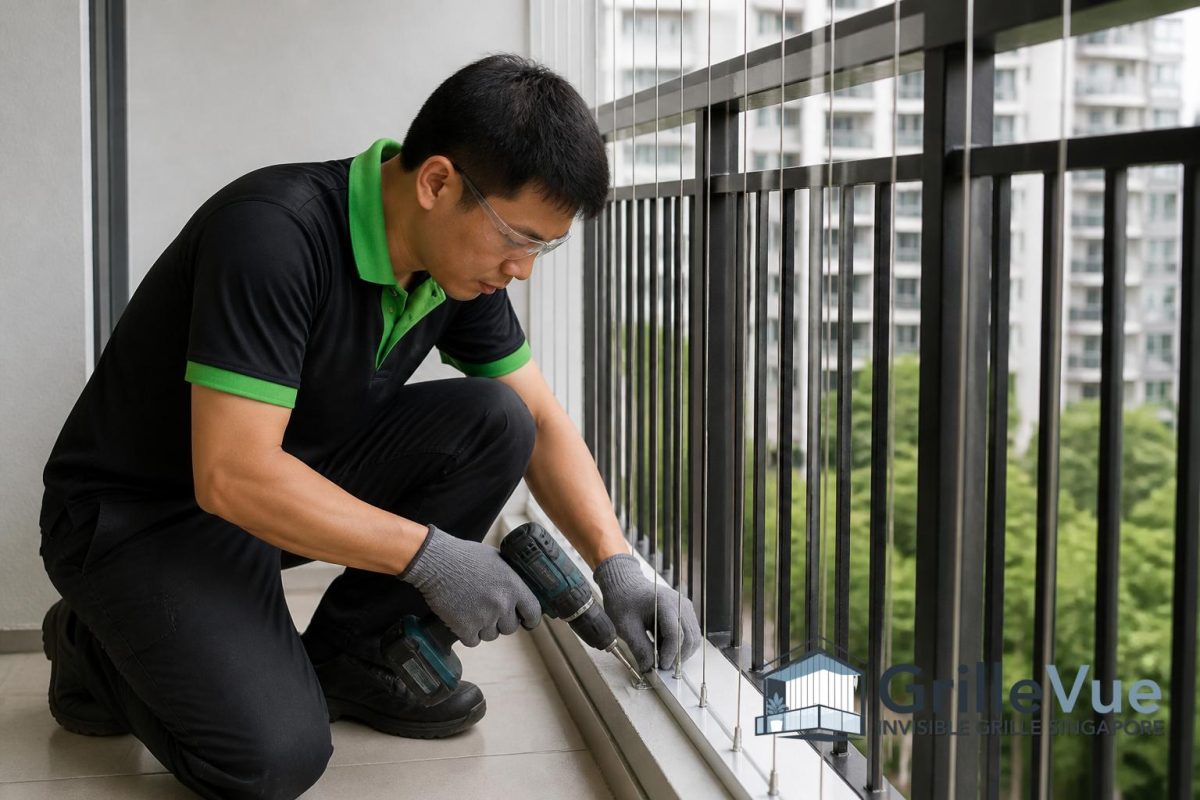
The main mounting points are generally the lintel or overhead beam for the headbox, the side walls or columns for the tracks, and the lower termination area for the bottom bar. The exact fixing surfaces matter. Concrete walls, structural columns and suitably firm framing are typically more suitable than weak finishes or decorative cladding. A proper site assessment helps determine whether the balcony has enough solid fixing points for the system.
Common Balcony Mounting Positions in Singapore Homes
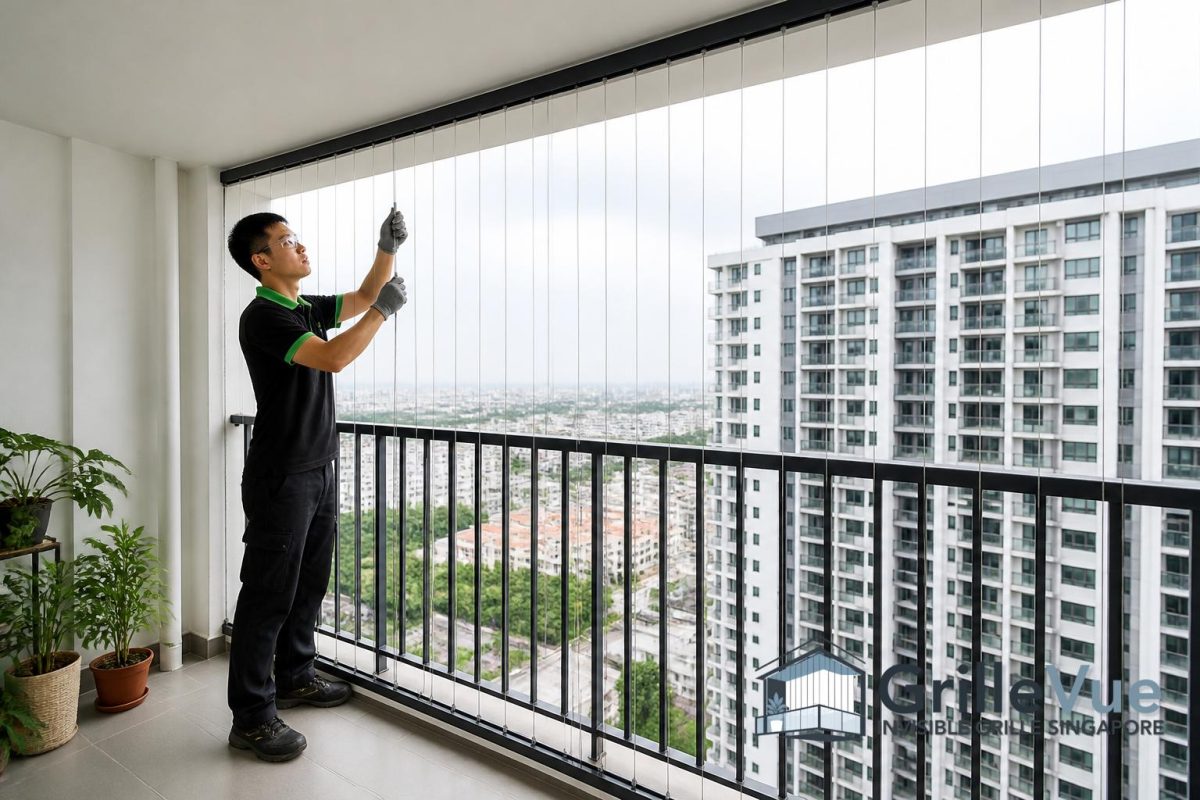
For many Singapore balconies, Zip Track blinds are mounted across the open front of the balcony, from one side wall or column to the other. This is the most common arrangement because it allows the blind to screen sunlight, rain splash and glare across the main exposed edge. It is often used on condominium balconies with a straightforward rectangular opening.
Some balconies allow a partial installation, such as mounting only one side or only a section of the opening. This may happen when part of the frontage is already enclosed, or when the homeowner wants to screen only a specific direction of sun or rain. In landed homes, the mounting position may also be influenced by patio columns, eaves or garden-facing openings, so the blinds can be adapted to the outdoor area rather than a standard balcony line.
In narrower balconies, the installer may need to work around balcony doors, pipe runs, lights, ceiling fans or built-in fixtures. The goal is not simply to fit the blind anywhere available, but to place the tracks where the fabric can run smoothly and where the balcony remains practical to use.
How Site Conditions Affect Where the Blinds Can Be Installed
The balcony structure determines what is possible. If the top edge has enough structural depth, the headbox can usually be mounted there. If the side walls are uneven, tiled, or interrupted by handrails and finishing trims, the side channels may need careful alignment so the fabric seals properly within the guides. In some cases, the installer must work around protrusions or measure from the true structural line rather than the finished surface.
Existing fixtures also affect the mounting position. For example, balcony light points, drainage falls, sliding door frames and railing posts may create restrictions. A good installer will check opening width, height, clearances and the path of operation before recommending where the tracks should go. This is especially important when the homeowner wants the blind to open fully without hitting furniture or access points.
On some balconies, there may be a choice between face mounting and recess mounting. Face mounting fixes the system on the outer or front face of the opening, while recess mounting fits it within a more sheltered section of the balcony structure. The best option depends on the depth of the balcony and the available fixing surfaces, not on a one-size-fits-all rule.
Manual or Motorised: Mounting Considerations Are Different
Manual Zip Track blinds and motorised Zip Track blinds share the same basic screen-blind structure, but the mounting considerations are not identical. A manual system usually needs enough clearance for hand operation and smooth access to the bottom bar or control mechanism. The installer will also check whether the operating side is convenient and unobstructed.
Motorised Zip Track blinds include a motor within the headbox or a related drive component, so the mounting plan must also account for power supply access. In some balconies, this may mean a neatly routed electrical connection by a suitably qualified electrician. Not every project needs electrical work, but where power is required, it should be planned before the blind is fixed in place so that the finished installation looks clean and functions properly.
It is also worth asking how the blind will be operated once mounted. A balcony-facing blind that is easy to access manually may not need motorisation, but a wider or higher opening may benefit from it. The mounting position should support the chosen operating method, rather than forcing the operation method to fit an inconvenient location.
What Measurements Matter Before Mounting
Before any Zip Track blind is mounted on a Singapore balcony, the opening should be measured carefully at several points. Width, height and the squareness of the opening all matter, because balcony structures are not always perfectly even. Measurements should be taken from the intended fixing surfaces, not just from the visible finished edges.
The installer will usually look at where the tracks can land, how much depth is available for the headbox, and whether the bottom bar can close cleanly without dragging on the floor or interfering with the railing line. If the balcony has a slight slope for drainage, this may also affect the final alignment and the apparent height of the fabric.
If you are comparing fabric options, measurements should also be reviewed alongside the chosen material. Some fabrics provide more openness and airflow, while others offer greater visual screening. The best selection depends on the balance you want between shade, view, privacy and outdoor comfort.
Where Zip Track Blinds Work Best on Different Balcony Types
In condominium balconies, Zip Track blinds are often mounted across the front opening to create a more sheltered outdoor area. This can help reduce glare and soften rain splash, while still keeping the balcony usable for seating or light storage. Because condo balconies are often part of a shared façade, neat alignment and tidy track placement are especially important.
For HDB balconies or balcony-like service spaces, mounting positions may be more limited by the structure and by existing fixtures. The blind may be fitted to a front opening, side edge or partial recess depending on what the balcony offers. The same product can be used, but the mounting details should suit the specific opening rather than a generic balcony template.
In landed homes, outdoor areas may be more varied in shape. Some are terrace-style, some have covered patios, and some combine columns, beams and open spans. Zip Track blinds can often be adapted to these areas, but the installer needs to assess the structure carefully to decide where the guides can be fixed securely and where the fabric will operate best.
Maintenance and Everyday Use After Installation
Once mounted, a Zip Track blind should run smoothly within its guides if the tracks are aligned well and the fabric is tensioned correctly. Routine care usually involves keeping the side channels clear of dirt, leaves or debris and wiping the fabric according to the material guidance provided. This helps maintain smooth movement and a tidy appearance.
It is also sensible to check how the blind behaves in everyday use. If the bottom bar does not sit evenly, if the fabric rubs on one side, or if the blind feels stiff during operation, the mounting or alignment may need a fine adjustment. These are practical installation issues rather than signs that the product itself is unsuitable.
For balconies that face strong afternoon sun or frequent rain exposure, the choice of fabric and the exact mounting line should be discussed during assessment. Zip Track blinds can offer useful outdoor screening, but their performance still depends on the opening, installation quality and chosen material.
If you are considering Zip Track blinds for your balcony, WhatsApp GrilleVue Invisible Grille Singapore – Windows & Balconies with your property type, approximate opening dimensions, preferred manual or motorised setup, existing fixtures and installation access for a proper assessment and quotation: Message GrilleVue on WhatsApp
Conclusion
Zip Track blinds can be mounted on Singapore balconies in several practical ways, but the best position depends on the balcony opening, structural fixing surfaces, existing fixtures and whether the system is manual or motorised. In most homes, the blind is mounted across the balcony frontage with the headbox, side tracks and bottom bar aligned to the opening so the fabric can operate smoothly. A proper site check and accurate measurement are the key steps in deciding where the blind should go.
Choose GrilleVue Invisible Grille Singapore – Windows & Balconies
GrilleVue Invisible Grille Singapore specialises in residential grille and balcony solutions that help homeowners improve safety and make better use of windows and outdoor areas without unnecessarily enclosing the space. We provide invisible grille, invisible window grille, invisible balcony grille, window grilles, and balcony grille installations for HDB flats, condominiums, and landed properties, with each solution planned around the opening, layout, and requirements of the home.
Our other services also cover Zip Track and Zip Track blinds for homeowners who want greater control over balcony and outdoor areas. An invisible grill for the balcony can help retain visibility while adding a safety barrier, while zip track blinds can provide a more sheltered and adaptable space depending on weather conditions and daily use.
For more information on suitable window and balcony solutions, explore our blog for useful guides or browse our completed projects for examples of previous installations. Contact us via WhatsApp at +65 8241 0032 to discuss your home, installation needs, and available options.
Frequently Asked Questions
Can Zip Track blinds be mounted on any Singapore balcony?
Not every balcony is an identical fit, but many can accommodate Zip Track blinds if there are suitable structural fixing points. The installer will need to check the top beam, side walls or columns, and the available clearance around existing fixtures before confirming the mounting position.
Do Zip Track blinds need to cover the entire balcony opening?
Not always. Some homeowners choose full-front coverage, while others prefer partial screening for shade or privacy in specific areas. The mounting can be planned around the exact exposure and the way the balcony is used.
What should I prepare before asking for a quote?
It helps to share your property type, balcony photos, approximate opening dimensions, whether you want manual or motorised operation, and any items that may affect access or fixing points. That gives the installer a clearer starting point for assessment.